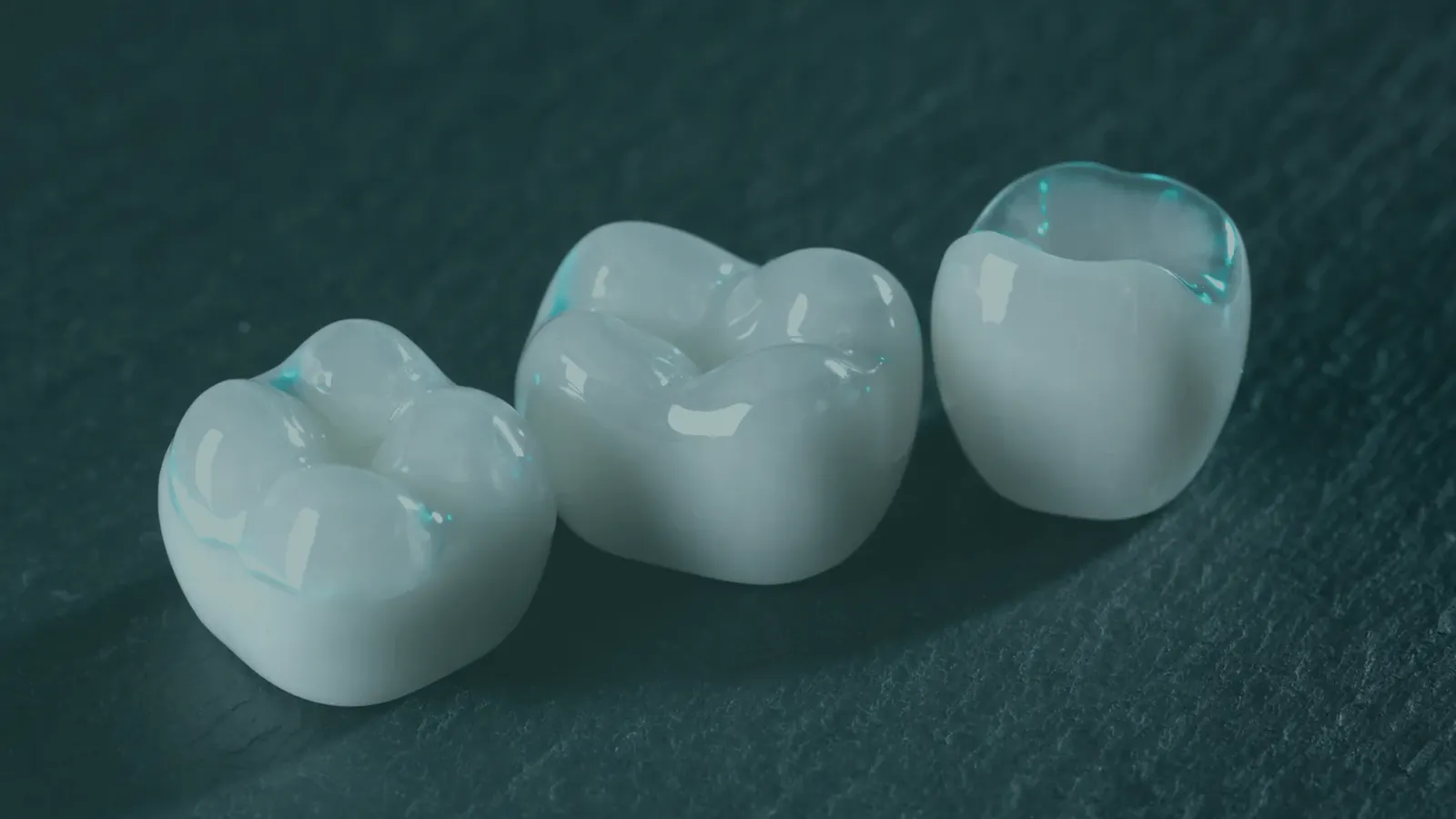
These are the two materials you will be offered for most crown and veneer work, and they are genuinely different. Neither is better. They are good at different things, and a clinic that offers one for everything is choosing on inventory rather than on your mouth.
The short version
| Zirconia | Lithium disilicate (e.max) | |
|---|---|---|
| Strength | Very high — the strongest routine option | Good, but well below zirconia |
| Light behaviour | Historically more opaque; modern layered zirconia is much better | Excellent — translucency closest to natural enamel |
| Best for | Molars, bridges, grinders, full arches | Front teeth, veneers, single anterior crowns |
| Tooth reduction | Can be minimal | Can be very minimal for veneers |
| Weak point | In the wrong hands, can look flat at the front | Can fracture under heavy posterior load |
Why the back of the mouth is a strength problem
Molars generate the highest bite forces in the body, and they do it thousands of times a day. That is a fatigue problem, not a one-off load problem, and it is why zirconia dominates posteriorly. An e.max crown on a molar in someone who clenches is a crown with a shorter life than it should have.
Why the front of the mouth is a light problem
Natural enamel is translucent: light enters it, scatters, and leaves. Matching that is what makes an anterior crown invisible, and it is the thing e.max does best. A front crown that is the right shade but the wrong translucency reads as false even to people who cannot say why.
Where it gets decided for you
- Bridges spanning more than one missing tooth: zirconia, for the strength
- A single front tooth next to natural teeth: usually e.max, because matching one tooth to its neighbour is the hardest thing in dentistry
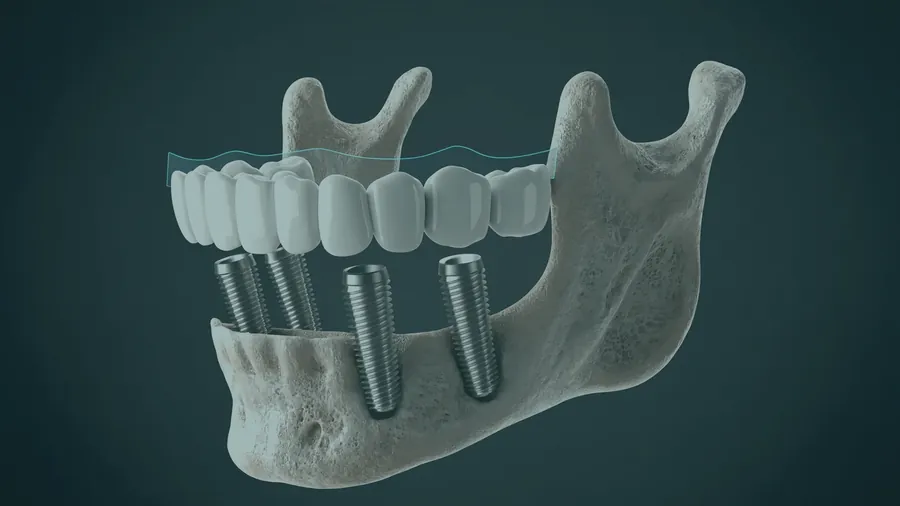
- Full-arch prosthetics: zirconia
- Veneers on intact enamel: e.max, and as little preparation as possible
- Anyone who grinds: zirconia, and a night guard, and the night guard is not optional
The question to ask
Ask which material for which tooth, and why. A clinic that answers tooth by tooth is planning. A clinic that answers with one material for the whole mouth is quoting.