
Hair restoration
Eyebrow Restoration in Istanbul
Single-hair grafts placed one at a time to rebuild eyebrows lost to over-plucking, scarring, alopecia or age. It is the most exacting work in hair restoration: a few hundred grafts, every one placed individually, at angles so shallow the hair lies almost against the skin.
- Single-hair grafts only, no multi-hair units
- Shape drawn with you and photographed before starting
- Transplanted brows keep growing and need trimming
- Honest about what a scarred brow bed can hold
- Procedure type
- Percutaneous
What makes it different
Why eyebrows are the hard case #
A brow is a few hundred grafts against a scalp case of several thousand. It is not a smaller version of the same job.
01
Every graft is a single hair
Brow hairs grow individually. A two-hair graft anywhere in a brow shows as a tuft, and once it has grown in there is no discreet way to correct it.
02
Angles near flat
Brow hairs lie almost against the skin. Sites are opened at roughly 10 to 15 degrees; anything steeper and the hair stands away from the face.
03
Direction turns along the brow
Hairs at the head of the brow sweep upward, the mid-brow runs outward, the tail angles down. Each region is incised separately to follow it.
04
It keeps growing
The donor is scalp hair and it behaves like scalp hair — it will need trimming every few weeks, for good. Anyone who does not tell you that beforehand has not told you the main thing.
05
Design outlasts fashion
Brow shapes date. The design is drawn to your bone structure rather than to whatever shape is current, because this is not a shape you can grow out of.
06
Scarred beds take less
Where the brow was lost to burns, tattooing or scarring, blood supply is poorer and a proportion of grafts will not take. A second session is sometimes planned from the start.
On the day
A half day, closely worked #
Two to four hours for most cases, under local anaesthetic.
-
Before starting
Drawing the shape
The brow is drawn on and adjusted with you until you are happy with it in a mirror. It is photographed at that point, and that photograph is what the surgeon works to.
- Drawn to your bone structure
- Adjusted with you until agreed
- Photographed as the working reference
-
Extraction
Selecting the donor hair
Finer hair is chosen deliberately — usually from above the ear or the nape, where calibre is closest to brow hair rather than the coarser crown.
- Finest available donor hair selected
- Extracted as single-hair units
- Kept chilled between extraction and placement
-
Incisions
Opening the sites
Several hundred sites are opened individually, each at the angle and direction that part of the brow grows. This is the slowest part of the day and the part that decides the result.
- Every site angled individually
- Direction rotated along the brow
- Density planned to read as a brow, not a line
-
Placement
Placing single hairs
Hairs are placed one at a time, curvature turned so each one lies the way it should against the skin.
- One hair per site
- Natural curve oriented against the skin
- Both brows compared before finishing
Week by week
What recovery actually looks like #
The brows look their strangest around day three and normal again inside a fortnight.
Days 1–3
Days 1–3
Small crusts on the brow. Mild swelling around the eyes is common.
Days 7–10
Days 7–10
Crusts separate. The brow looks close to normal to anyone but you.
Weeks 2–8
Weeks 2–8
Shock loss: the transplanted hairs shed. Expected.
Months 3–6
Months 3–6
Regrowth begins. First trimming becomes necessary.
Months 9–12
Months 9–12
Final shape and density. Trimming continues indefinitely.
Les questions des patients #
How many grafts does an eyebrow need?
Usually a few hundred per brow, depending on how much native hair remains and the shape being rebuilt. The count is quoted after your photographs are reviewed — it is far lower than a scalp procedure.
Do I really have to trim them forever?
Yes. Transplanted hairs keep the growth cycle of their donor site, so they grow to scalp length rather than brow length. Trimming every two to four weeks becomes part of your routine, permanently. Anyone who tells you otherwise is not being straight with you.
Can it fix over-plucked brows?
This is one of the most common reasons for the procedure. Years of plucking can stop follicles regrowing altogether, and grafting is the reliable way to rebuild the shape.
Will it look natural?
That depends almost entirely on angle, direction and restraint in density. A brow grafted at the wrong angle looks wrong no matter how many hairs it has. Ask to see the surgeon's own eyebrow cases, not general clinic results.
Can I have it done with a scalp procedure at the same time?
Often yes, if your donor supply allows for both. It is planned at assessment so the donor area is not over-harvested.
Keep reading
Treatments people compare with this one.
Hair restoration
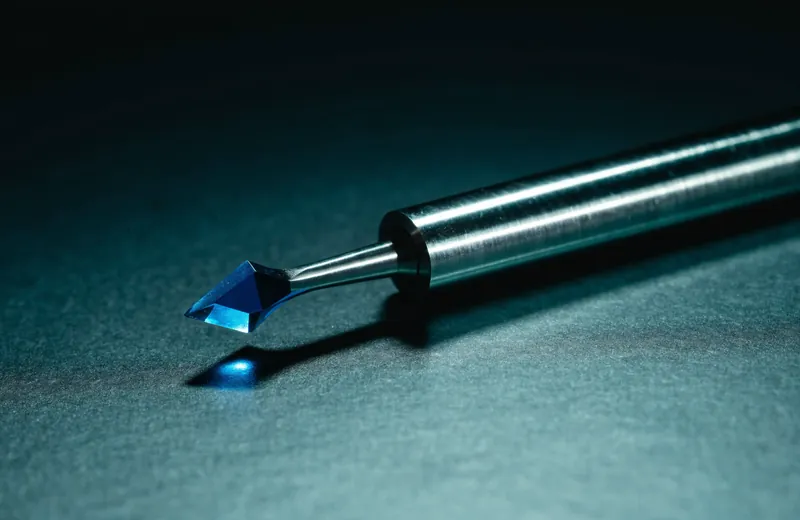
Sapphire FUE
Sapphire FUE hair transplant in Istanbul, Turkey with VeaHealth. Advanced sapphire blade technology for natural hairline. 4000-5000 grafts. Save up to 70% vs UK/US. Free assessment.
Read the full guide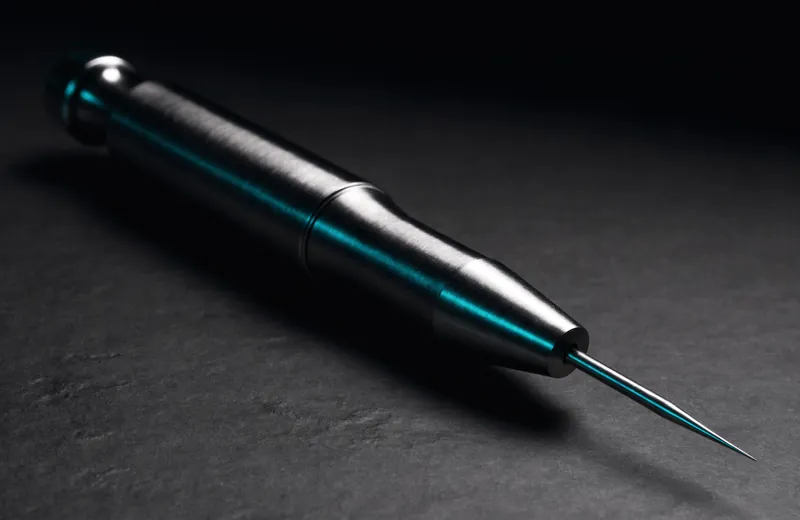
Hair restoration
DHI Hair Transplant
DHI hair transplant in Istanbul, Turkey with VeaHealth. Direct Hair Implantation with Choi Implanter Pen. No channel pre-opening, maximum control. Save up to 70% vs UK/US.
Read the full guide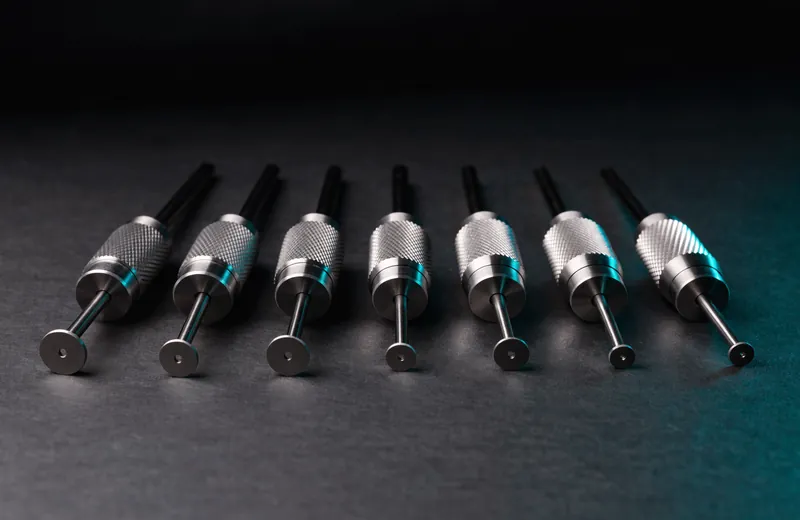
Hair restoration
Manual FUE
Manual FUE hair transplant in Istanbul with VeaHealth. Hand-held micro-punch extraction, graft-by-graft control, natural hairline design. Free assessment from your photographs.
Read the full guide
Hair restoration
Eyebrow Restoration
Move to look around · open a note to read it
-
The technique
Opening the sites
Several hundred sites are opened individually, each at the angle and direction that part of the brow grows. This is the slowest part of the day and the part that decides the result.
- Every site angled individually
- Direction rotated along the brow
- Density planned to read as a brow, not a line
-
Afterwards
Days 1–3
Small crusts on the brow. Mild swelling around the eyes is common.
-
Why this one
Every graft is a single hair
Brow hairs grow individually. A two-hair graft anywhere in a brow shows as a tuft, and once it has grown in there is no discreet way to correct it.
-
People ask
How many grafts does an eyebrow need?
Usually a few hundred per brow, depending on how much native hair remains and the shape being rebuilt. The count is quoted after your photographs are reviewed — it is far lower than a scalp procedure.
An illustration of the treatment, not a photograph of the clinic. Book a live video tour with your coordinator to see the real rooms.