
Hair restoration
Hair Transplant for Women in Istanbul
Female hair loss is usually diffuse rather than patterned, which changes what a transplant can do and who it suits. The first step is not surgery — it is finding out why the hair is thinning, because a good proportion of female hair loss has a cause that treatment reverses without an operation.
- Cause investigated before surgery is offered
- Unshaven technique available in suitable cases
- Donor stability assessed, not assumed
- Told plainly when a transplant is not the answer
- Procedure type
- Percutaneous
What is different
Why this is not the male procedure with a different patient #
The technique is the same. Almost everything around it is not.
01
The cause comes first
Thyroid disorder, iron deficiency, post-partum shedding, traction from tight styling and several autoimmune conditions all thin hair, and all are treated without surgery. Bloods and an examination come before any surgical discussion.
02
Diffuse, not patterned
Female loss usually thins the whole crown rather than clearing a defined area. There is existing hair among which grafts must be placed without damaging what is already there.
03
The donor may be affected too
Male donor hair is usually resistant to the hormone driving the loss. In diffuse female loss the back of the head can be thinning as well — if it is, transplanting from it moves the problem rather than solving it.
04
Hairline lowering
A large share of female cases are not thinning at all but a naturally high hairline that someone wants brought forward. That is a straightforward, very predictable procedure.
05
Traction loss can be rebuilt
Hair lost to years of tight braids, weaves or extensions often will not return on its own once the follicle has gone. Those temples and edges transplant well.
06
Without shaving, where possible
Grafts can be taken from a small hidden window under longer hair, so nothing visible is cut. It is slower and takes fewer grafts in a session, and it is not right for every case.
How it runs
From first photographs to the day itself #
The assessment stage matters more here than anywhere else in hair restoration.
-
Before anything is booked
Finding the cause
Photographs, history and blood work. If the thinning has a medical cause, treating that comes first — and if it resolves the loss, no surgery is offered.
- Thyroid and iron screened
- Medication and post-partum history reviewed
- Scarring alopecias ruled out before surgery is considered
- Told plainly if a transplant is not appropriate
-
Assessment
Donor and design
Donor density is measured across the safe zone, including the areas most likely to be affected by diffuse loss. The hairline is designed to your face and, if you have one, to old photographs.
- Donor measured, not estimated
- Miniaturisation checked across the donor zone
- Design worked out with you and photographed
-
On the day
Extraction
Under local anaesthetic, either from a small shaved window concealed under longer hair or from a conventionally shaved donor area, depending on what was agreed.
- Unshaven window where the case allows
- Local anaesthetic; you stay awake
- Grafts sorted and held chilled
-
On the day
Placement among existing hair
Sites are opened between the hairs already there — the constraint that defines female cases. Existing follicles must not be damaged in the process of adding to them.
- Incisions placed between surviving follicles
- Angle matched to the surrounding hair
- Density built where it reads, at the part and hairline
Week by week
What recovery actually looks like #
Longer hair hides most of this, which is one practical advantage of the female case.
Days 1–3
Days 1–3
Mild swelling and redness. With no-shave, hair covers the area immediately.
Days 7–10
Days 7–10
Crusts separate with the washing protocol.
Weeks 2–8
Weeks 2–8
Shock loss affects both transplanted and some surrounding native hairs. Native hair recovers.
Months 3–6
Months 3–6
Regrowth begins. Density builds gradually.
Months 12–18
Months 12–18
Female cases are assessed later than male cases, often at 18 months.
Les questions des patients #
Do I have to shave my head?
Not necessarily. The no-shave technique trims donor hair only in narrow strips hidden beneath surrounding hair, so nothing is visible with your hair down. It takes longer and harvests fewer grafts per session, so suitability is decided at assessment.
Am I a candidate if my thinning is all over?
Possibly not. Diffuse thinning can include the donor area, and transplanting unstable donor hair gives a result that fades. Trichoscopy establishes donor stability. If it is not stable, you will be told so — medical treatment may be the better route.
Why do you need blood tests first?
Because iron deficiency, thyroid disorders and hormonal changes are common, treatable causes of female hair loss. Operating without addressing them means the underlying loss continues afterwards.
Can a transplant fix a receding hairline from braids or extensions?
Traction alopecia often responds well, provided the tension has stopped and the follicles are not permanently scarred. Trichoscopy shows which of the two you have.
How long until I see the result?
Female results are typically assessed at twelve to eighteen months, slightly later than male cases, because density builds among existing hair rather than into bare scalp.
Keep reading
Treatments people compare with this one.
Hair restoration
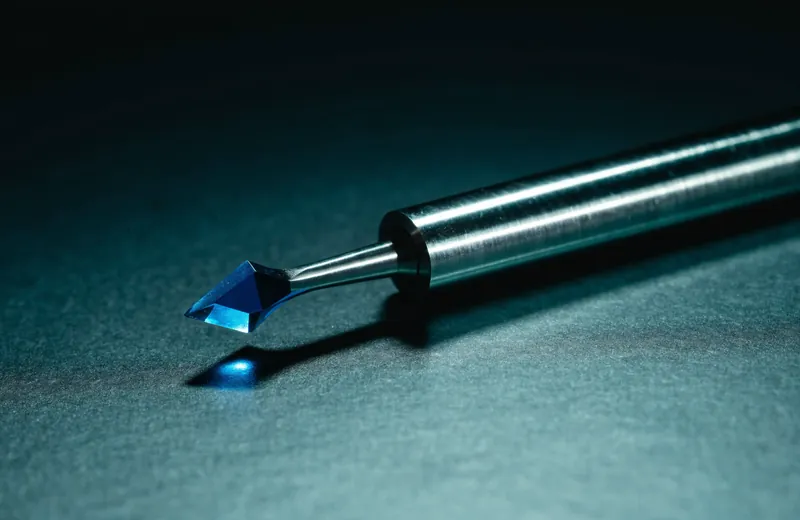
Sapphire FUE
Sapphire FUE hair transplant in Istanbul, Turkey with VeaHealth. Advanced sapphire blade technology for natural hairline. 4000-5000 grafts. Save up to 70% vs UK/US. Free assessment.
Read the full guide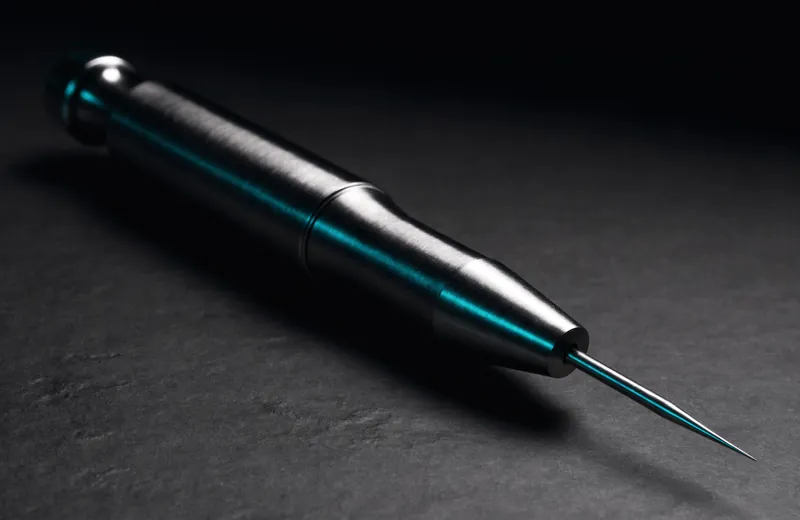
Hair restoration
DHI Hair Transplant
DHI hair transplant in Istanbul, Turkey with VeaHealth. Direct Hair Implantation with Choi Implanter Pen. No channel pre-opening, maximum control. Save up to 70% vs UK/US.
Read the full guide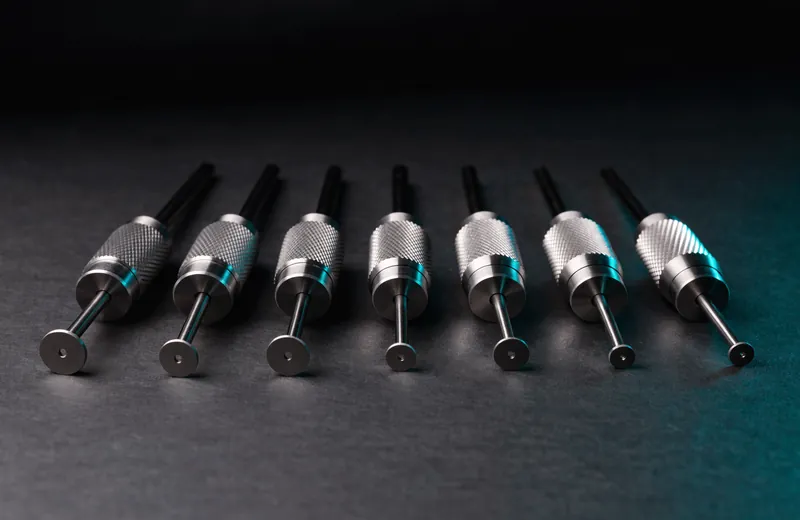
Hair restoration
Manual FUE
Manual FUE hair transplant in Istanbul with VeaHealth. Hand-held micro-punch extraction, graft-by-graft control, natural hairline design. Free assessment from your photographs.
Read the full guide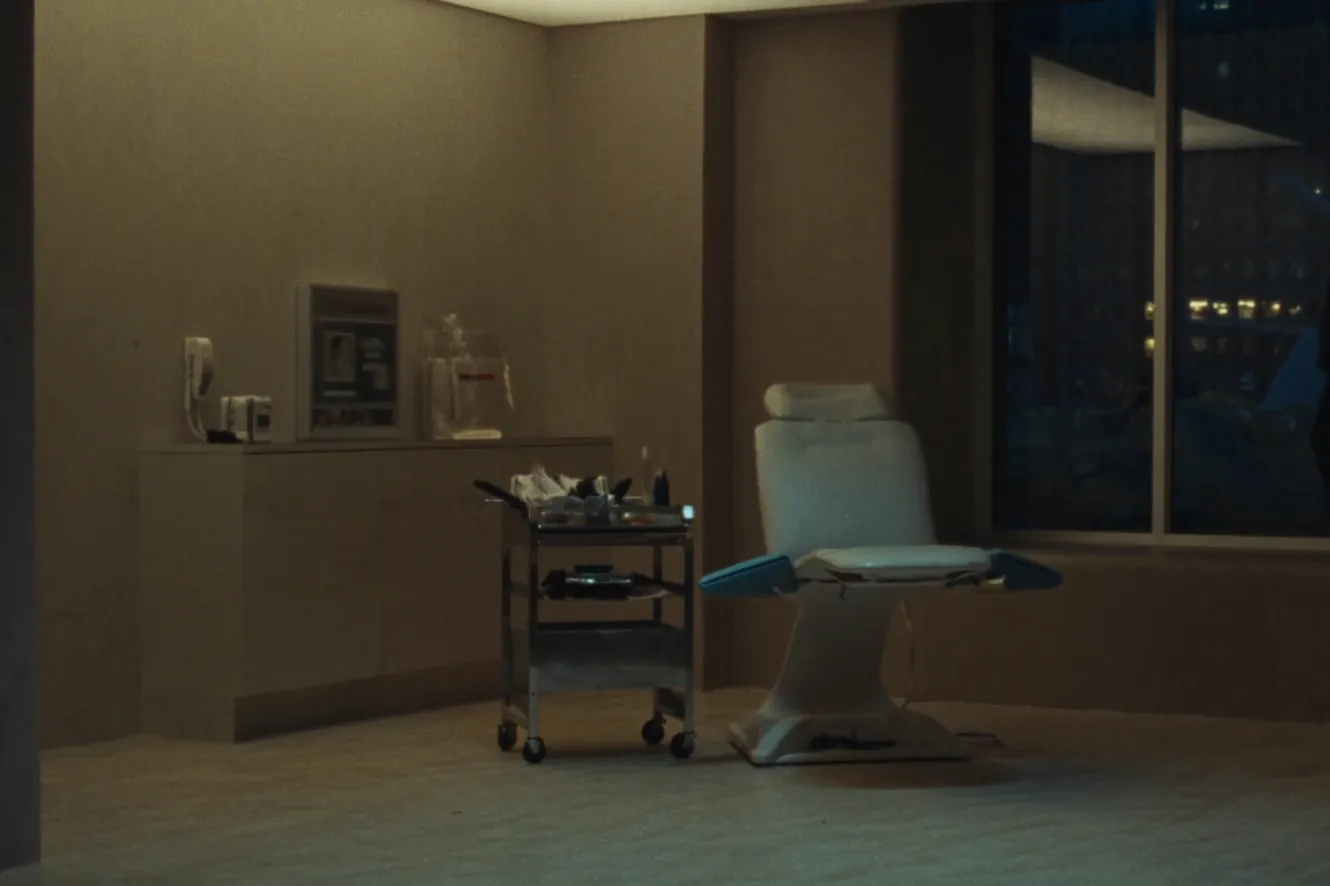
Hair restoration
Female Hair Transplant
Move to look around · open a note to read it
-
The technique
Extraction
Under local anaesthetic, either from a small shaved window concealed under longer hair or from a conventionally shaved donor area, depending on what was agreed.
- Unshaven window where the case allows
- Local anaesthetic; you stay awake
- Grafts sorted and held chilled
-
Afterwards
Days 1–3
Mild swelling and redness. With no-shave, hair covers the area immediately.
-
Why this one
The cause comes first
Thyroid disorder, iron deficiency, post-partum shedding, traction from tight styling and several autoimmune conditions all thin hair, and all are treated without surgery. Bloods and an examination come before any surgical discussion.
-
People ask
Do I have to shave my head?
Not necessarily. The no-shave technique trims donor hair only in narrow strips hidden beneath surrounding hair, so nothing is visible with your hair down. It takes longer and harvests fewer grafts per session, so suitability is decided at assessment.
An illustration of the treatment, not a photograph of the clinic. Book a live video tour with your coordinator to see the real rooms.