
Hair restoration
Manual FUE Hair Transplant in Istanbul
Follicular units taken one at a time with a hand-held punch rather than a motorised drill. It is slower than motorised FUE and takes fewer grafts in a session — which is the trade being made, because the surgeon feels the resistance of every follicle and follows its angle instead of cutting across it.
- Hand-held 0.7–0.9 mm punches
- Grafts kept in holding solution, not left dry
- Hairline drawn with you before anything is shaved
- Donor area assessed before a graft number is promised
- Procedure type
- Percutaneous
Why the technique matters
What a hand punch buys you #
Manual extraction is not automatically better than motorised. It is better at some things, and those things are worth understanding before you choose.
01
Feel, not just speed
A motor turns at a set rate whatever it meets. A hand punch tells the surgeon what the tissue is doing — where the follicle splays, where it curves — and the punch follows it rather than through it.
02
Lower transection in curly hair
Tightly curled follicles curve under the skin. That curve is where motorised punches most often cut the graft in half, and it is the case for manual extraction most often made in the literature.
03
Less heat at the donor site
There is no rotational friction, so no heat generated at the punch tip. Thermal injury to the surrounding tissue is not part of the picture.
04
Grafts with more surrounding tissue
Manual punches are typically taken slightly wider, leaving more protective tissue around the follicle — which matters for how well it survives the hours between extraction and placement.
05
A slower, smaller session
Honestly stated: fewer grafts per day than motorised FUE. A large area may need two days rather than one, and your quote will say so before you book.
06
Donor area that still looks like one
Extraction is spread across the safe donor zone rather than concentrated, so the back of the head thins evenly instead of showing a harvested patch.
On the day
What actually happens #
One long day, or two shorter ones for a large area. You are awake throughout and you can talk, listen to something, and eat at the break.
-
Before anything is shaved
Design and donor assessment
The hairline is drawn on your forehead and you look at it in a mirror before anyone agrees to it. Donor density is measured, not estimated, and that measurement sets the graft number.
- Hairline drawn with you, in front of a mirror
- Donor density measured with a densitometer
- Realistic graft count agreed and written down
- Photographs taken for your record
-
Morning
Anaesthetic and extraction
Local anaesthetic to the donor area — the injections are the uncomfortable part and they take a couple of minutes. Extraction then proceeds follicle by follicle with the hand punch.
- Local anaesthetic only; you stay awake
- Punches sized to your follicle calibre
- Grafts sorted by hair count as they come out
- Held in chilled solution, never left to dry
-
Midday
Incisions
The recipient sites are opened at the angle and direction your existing hair grows. This step decides whether the result looks grown or planted, and it is the part that cannot be rushed.
- Angle and direction matched to native hair
- Single-hair grafts at the hairline, denser units behind
- Density planned for how it will look grown out, not on day one
-
Afternoon
Placement
Grafts are placed into the prepared sites. Single-hair units go to the front edge; three- and four-hair units go behind them where density reads rather than where it would look artificial.
- Placed by hair count, front to back
- Time out of body kept as short as the session allows
- Final photographs before you leave
-
Before you go
Aftercare briefing
You are shown how to wash, what to sleep on, and what the first fortnight looks like — then given the same in writing and a number to reach your coordinator on.
- First wash demonstrated, not just described
- Written aftercare in your language
- Medication explained and supplied
- Coordinator contactable after you fly home
Week by week
What recovery actually looks like #
Nothing here is unusual and none of it is a complication. It is what healing looks like.
Days 1–3
Days 1–3
Swelling of the forehead is common and settles. Sleep with the head elevated.
Days 7–10
Days 7–10
Crusts separate after the washing protocol. Donor area closes over.
Weeks 2–8
Weeks 2–8
Shock loss: transplanted hairs shed. This is expected — the follicle stays.
Months 3–6
Months 3–6
New growth begins, initially fine and lighter than surrounding hair.
Months 9–12
Months 9–12
Thickening and texture match. Assessment photographs at 12 months.
Les questions des patients #
Is manual FUE better than motorised FUE?
Neither is better in every case. Manual extraction gives the surgeon more control per graft and is often preferred for curly hair, scarred donor areas and hairline work. Motorised extraction is faster and suits large sessions in straight, average-calibre hair. Your assessment will say which is being proposed for you, and why.
How many grafts can be taken in one manual session?
Fewer than with a motorised punch, because each unit is harvested by hand. The number depends on your donor density and scalp laxity and is quoted after the assessment. Large cases are sometimes planned across two sittings rather than forced into one.
Will there be a scar?
There is no linear scar. Each extraction leaves a round point under a millimetre across, which heals as a small pale dot and is not visible at normal hair length.
Is the procedure painful?
The scalp is fully anaesthetised locally, so the procedure itself is not painful. The anaesthetic injections sting briefly. Discomfort afterwards is usually managed with simple analgesia.
When can I fly home?
Most patients fly the day after the procedure, following the first wash at the clinic. Your coordinator will schedule the flight around that appointment.
Keep reading
Treatments people compare with this one.
Hair restoration
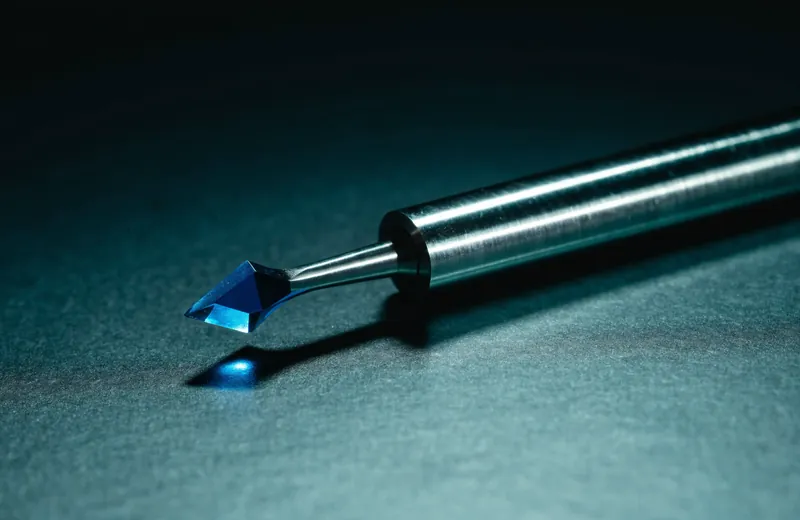
Sapphire FUE
Sapphire FUE hair transplant in Istanbul, Turkey with VeaHealth. Advanced sapphire blade technology for natural hairline. 4000-5000 grafts. Save up to 70% vs UK/US. Free assessment.
Read the full guide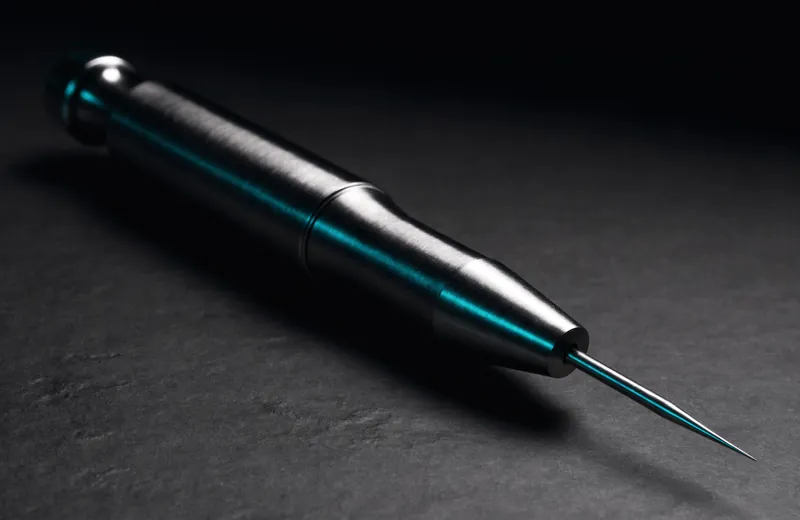
Hair restoration
DHI Hair Transplant
DHI hair transplant in Istanbul, Turkey with VeaHealth. Direct Hair Implantation with Choi Implanter Pen. No channel pre-opening, maximum control. Save up to 70% vs UK/US.
Read the full guide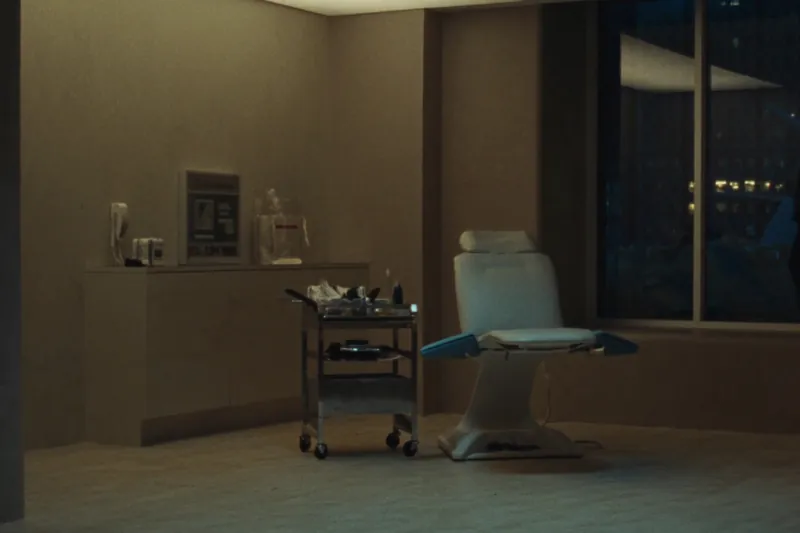
Hair restoration
OxyCure
OxyCure oxygen-assisted recovery support after hair transplantation in Istanbul with VeaHealth. What the protocol involves, when it is offered and what it does not replace.
Read the full guide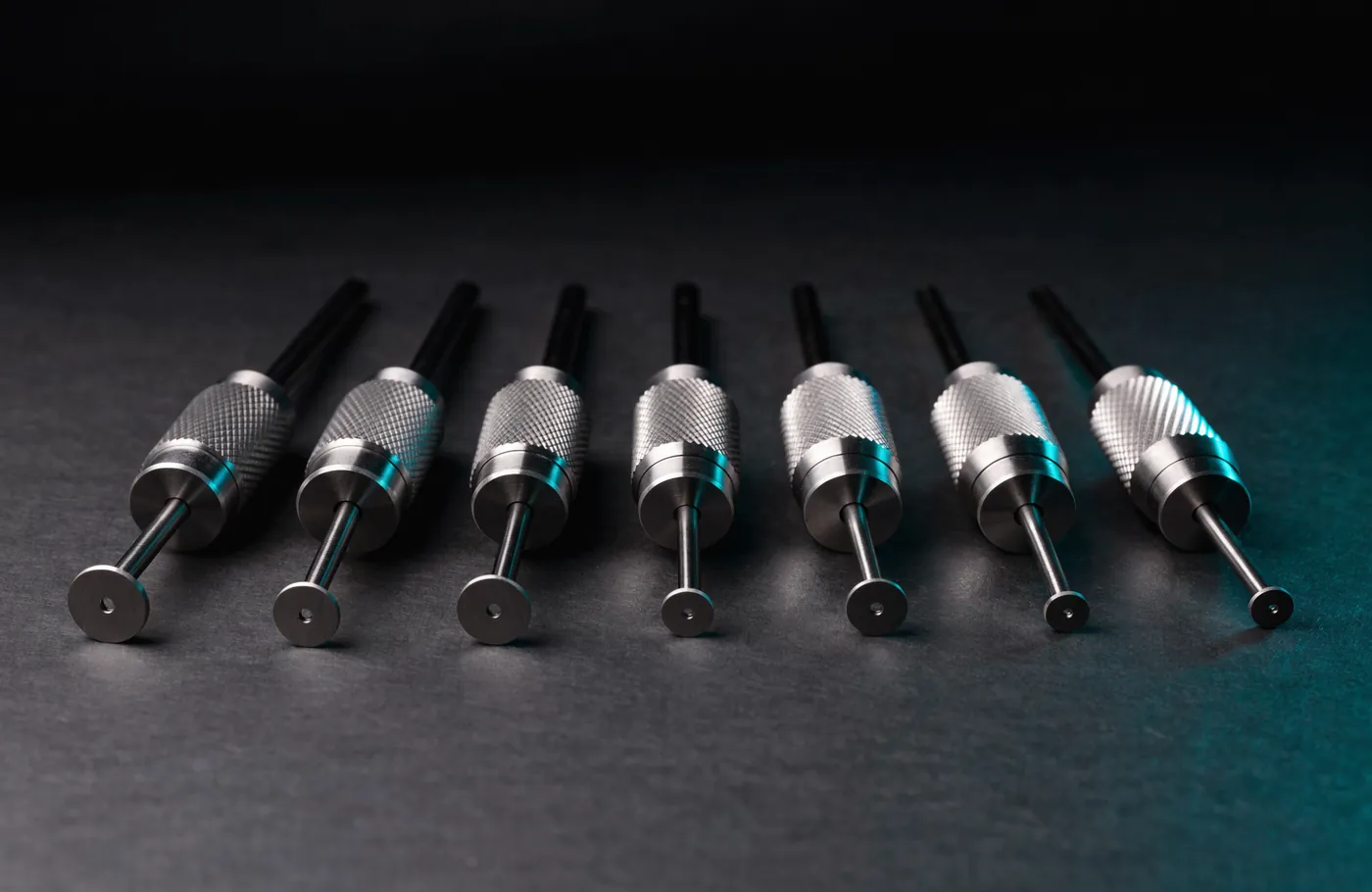
Hair restoration
Manual FUE
Move to look around · open a note to read it
-
The technique
Incisions
The recipient sites are opened at the angle and direction your existing hair grows. This step decides whether the result looks grown or planted, and it is the part that cannot be rushed.
- Angle and direction matched to native hair
- Single-hair grafts at the hairline, denser units behind
- Density planned for how it will look grown out, not on day one
-
Afterwards
Days 1–3
Swelling of the forehead is common and settles. Sleep with the head elevated.
-
Why this one
Feel, not just speed
A motor turns at a set rate whatever it meets. A hand punch tells the surgeon what the tissue is doing — where the follicle splays, where it curves — and the punch follows it rather than through it.
-
People ask
Is manual FUE better than motorised FUE?
Neither is better in every case. Manual extraction gives the surgeon more control per graft and is often preferred for curly hair, scarred donor areas and hairline work. Motorised extraction is faster and suits large sessions in straight, average-calibre hair. Your assessment will say which is being proposed for you, and why.
An illustration of the treatment, not a photograph of the clinic. Book a live video tour with your coordinator to see the real rooms.