Hair restoration
Beard and Moustache Transplant in Istanbul
Follicular units moved from the back of the scalp into the beard, moustache or the gaps left by scarring. The technique is FUE; what makes it beard work rather than scalp work is the angle — facial hair leaves the skin almost flat, and grafts placed at scalp angles look wrong however well they grow.
- Single-hair grafts through the moustache and edges
- Placed at facial angles, not scalp angles
- Design agreed with you before anything is shaved
- Works over acne and burn scarring as well as patchy growth
- Procedure type
- Percutaneous
What it is good for
Where a beard transplant earns its place #
Density is only half of it. Most of the difficulty is in direction, and most bad results are bad for that reason.
01
Patchiness, not baldness
The common case is not an absent beard but an uneven one — a thin patch on one cheek, a gap under the corner of the mouth. Those are the cases that fill in most convincingly.
02
Scars that will not grow
Acne scarring, surgical scars and burns leave permanent gaps. Grafts placed into scar tissue take less reliably than into healthy skin, which is said up front rather than after.
03
Angle is the whole job
Beard hair exits the skin at roughly 15 to 20 degrees — nearly flat. Grafts set at scalp angles stand up, catch the light differently, and read as transplanted from across a room.
04
Single hairs at every edge
The moustache border, the cheek line and the jaw edge take single-hair grafts. Multi-hair units there produce tufting, which is not fixable afterwards.
05
Donor that matches
Hair is taken from the lower occipital scalp, where calibre and texture come closest to beard hair. It keeps growing scalp-fast, so it needs trimming.
06
One session, usually
Most beard cases are 1,000 to 3,000 grafts and are done in a day. Your own number comes from your donor area and the area being filled, not from a price list.
On the day
How the day runs #
A single day, local anaesthetic, awake throughout.
-
First
Design
The beard line is drawn on your face and you approve it in a mirror. Where the moustache meets the lip and where the cheek line falls are decisions made now, with you, not improvised later.
- Drawn on and checked in a mirror
- Cheek line and moustache border agreed
- Photographed before starting
-
Morning
Extraction from the scalp
Grafts are taken from the lower back of the head under local anaesthetic, sorted by hair count, and kept in chilled holding solution.
- Lower occipital donor, for calibre match
- Sorted into single and multi-hair units
- Held chilled, not left dry
-
Midday
Recipient sites
Sites are opened at facial angles — close to flat, following the direction each part of the beard grows. Direction changes across the face and the incisions change with it.
- Angles close to flat, as facial hair grows
- Direction varied across cheek, jaw and moustache
- Single-hair sites at every visible edge
-
Afternoon
Placement
Single hairs go to the borders, denser units into the body of the beard where they will not be read individually.
- Singles at the borders
- Multi-hair units placed centrally
- Checked in daylight before you leave
Week by week
What recovery actually looks like #
Facial skin heals fast and visibly. Plan for the crusting to be obvious for about a week.
Days 1–3
Days 1–3
Redness and small crusts across the beard area. Mild facial swelling is common.
Days 7–10
Days 7–10
Crusts separate with the washing protocol. Redness fades over days to weeks.
Weeks 2–8
Weeks 2–8
Shock loss: transplanted hairs shed. Expected, and not a failure.
Months 3–6
Months 3–6
Growth begins. Texture is initially finer than surrounding beard hair.
Months 9–12
Months 9–12
Full texture and density. Trimming and shaving normally resumed long before this.
Les questions des patients #
Will the transplanted beard hair keep growing?
Yes. Grafts taken from the permanent zone at the back of the scalp keep the characteristics of their origin, so they continue to grow and will need trimming — sometimes faster than the rest of your beard.
Can I shave normally afterwards?
Yes, once your surgeon clears it — usually a few weeks after the procedure. Shaving too early risks dislodging grafts that have not yet secured.
How many grafts does a beard need?
It depends entirely on the area being covered and the density you want. Filling thin corners takes far fewer grafts than building a full beard from sparse growth. The number is quoted after your photographs are reviewed.
Will it look different from my existing beard?
Scalp hair is often slightly finer than beard hair, so new growth can differ in texture at first. It thickens over the first year. Direction and angle matter more than texture for whether the result reads as natural.
Can it cover scars?
Often, yes, though survival in scar tissue is lower than in healthy skin because blood supply is poorer. Your surgeon will tell you what to expect for your specific scar and may plan a second session.
Keep reading
Treatments people compare with this one.
Hair restoration
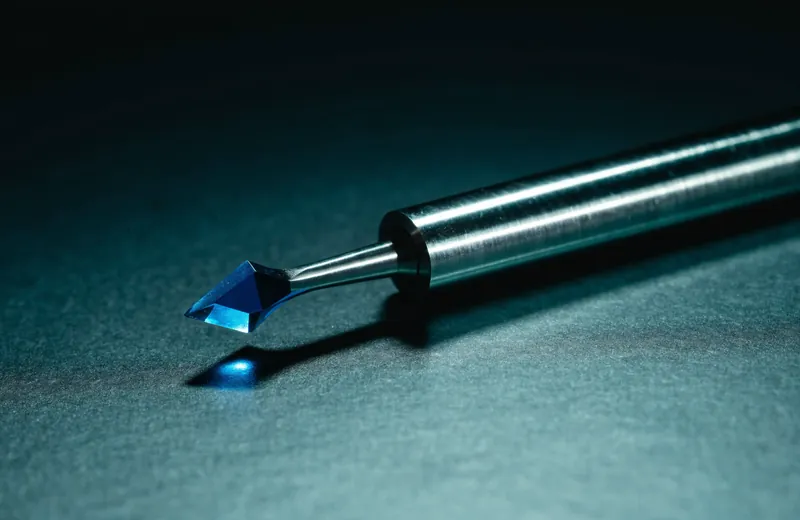
Sapphire FUE
Sapphire FUE hair transplant in Istanbul, Turkey with VeaHealth. Advanced sapphire blade technology for natural hairline. 4000-5000 grafts. Save up to 70% vs UK/US. Free assessment.
Read the full guide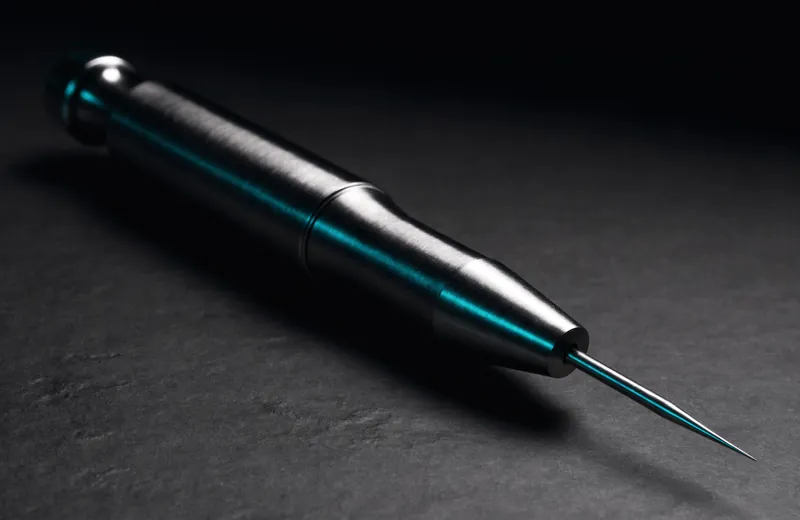
Hair restoration
DHI Hair Transplant
DHI hair transplant in Istanbul, Turkey with VeaHealth. Direct Hair Implantation with Choi Implanter Pen. No channel pre-opening, maximum control. Save up to 70% vs UK/US.
Read the full guide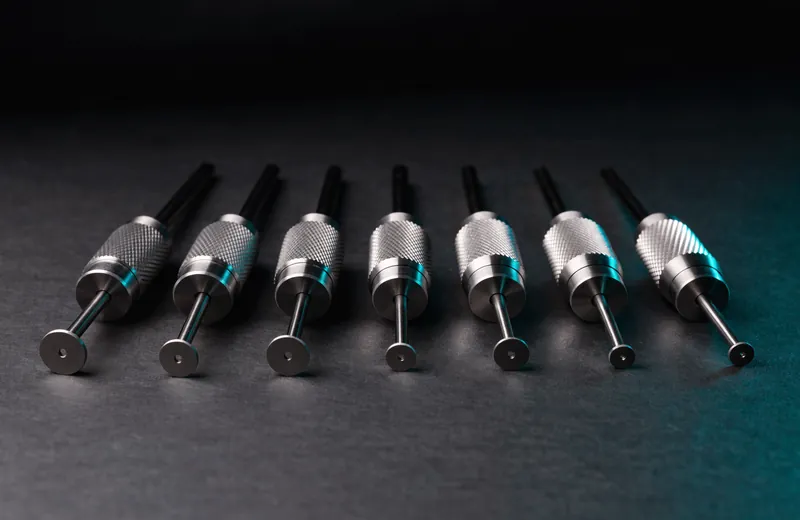
Hair restoration
Manual FUE
Manual FUE hair transplant in Istanbul with VeaHealth. Hand-held micro-punch extraction, graft-by-graft control, natural hairline design. Free assessment from your photographs.
Read the full guide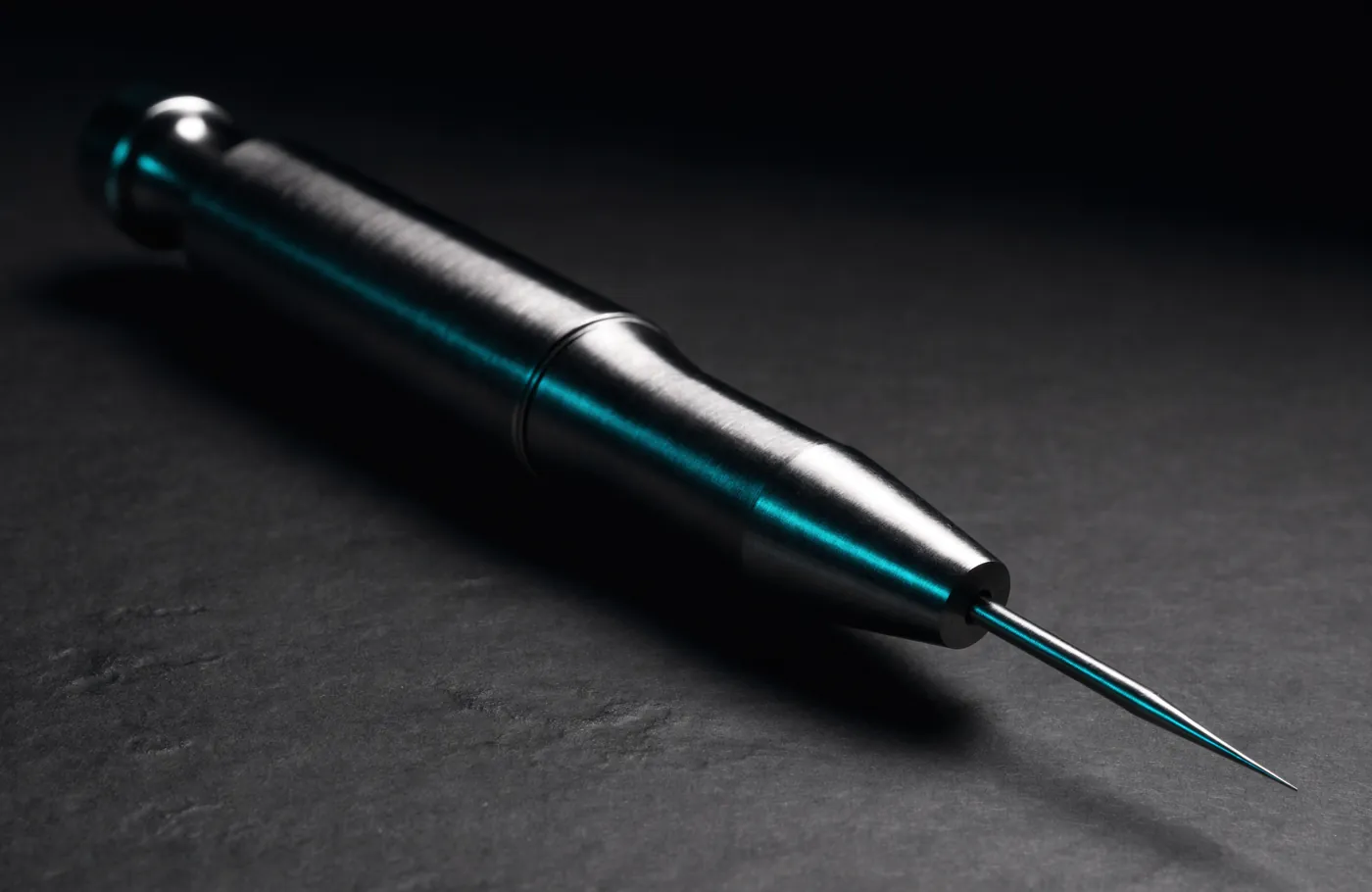
Hair restoration
Beard & Mustache Transplant
Move to look around · open a note to read it
-
The technique
Recipient sites
Sites are opened at facial angles — close to flat, following the direction each part of the beard grows. Direction changes across the face and the incisions change with it.
- Angles close to flat, as facial hair grows
- Direction varied across cheek, jaw and moustache
- Single-hair sites at every visible edge
-
Afterwards
Days 1–3
Redness and small crusts across the beard area. Mild facial swelling is common.
-
Why this one
Patchiness, not baldness
The common case is not an absent beard but an uneven one — a thin patch on one cheek, a gap under the corner of the mouth. Those are the cases that fill in most convincingly.
-
People ask
Will the transplanted beard hair keep growing?
Yes. Grafts taken from the permanent zone at the back of the scalp keep the characteristics of their origin, so they continue to grow and will need trimming — sometimes faster than the rest of your beard.
An illustration of the treatment, not a photograph of the clinic. Book a live video tour with your coordinator to see the real rooms.