Both are follicular unit extraction. Both take grafts one at a time from the back of the head. The marketing presents them as different generations of technology; in practice they differ in one step, and that step has real consequences for particular cases.
What actually differs
| Sapphire FUE | DHI | |
|---|---|---|
| Incisions | Made first, with a sapphire blade, then grafts placed into them | Made and filled in one motion by an implanter pen |
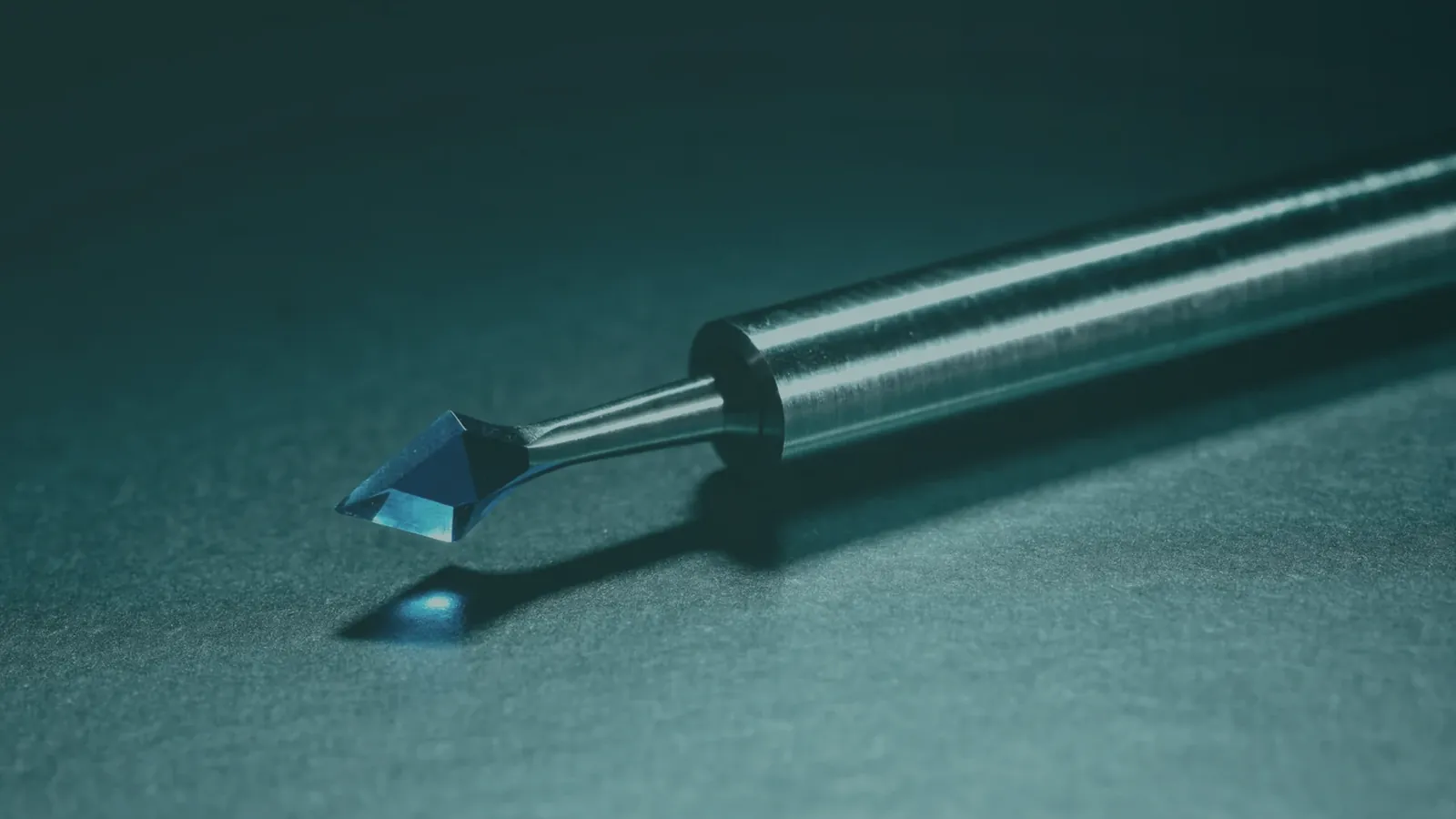
| Instrument | Crystalline sapphire blade | Choi implanter pen |
| Shaving | Recipient area usually shaved | Can often be done without shaving the recipient area |
| Speed | Faster per graft | Slower — more time per graft |
| Density control | Very good; sites planned as a set | Excellent; each graft placed individually |
| Best suited to | Larger areas, full crown coverage | Hairlines, filling among existing hair, unshaven cases |
The sapphire blade, honestly
Sapphire blades are sharper and hold an edge better than steel, and they make a slightly different channel shape. The claimed benefits — less tissue trauma, faster healing, tighter placement — are plausible and modest. What they are not is a different operation. A skilled surgeon with steel blades produces better results than an unskilled one with sapphire.
The implanter pen, honestly
DHI’s real advantage is that the graft spends less time out of the body and goes in without a second handling step, and that placing among existing hair is easier because you are not opening blind channels between follicles you cannot see. That makes it genuinely better for two situations: a hairline where every angle matters, and a thinning crown with hair still in it.
What matters more than either
- Who is holding the instruments, and for how many hours
- How long grafts spend outside the body, and in what
- Whether the angles at the hairline follow your existing growth
- Whether the density was planned for how it looks grown out, not on day one
- Whether anyone has told you your native hair will keep receding
Those five predict the result far better than the choice of blade. A clinic that talks about technique names and not about any of the five is selling a brand.
Time out of body, and why it is the number that matters
Once a follicular unit leaves your scalp it is a piece of tissue without a blood supply, and its survival falls the longer it stays that way. Everything that separates a good result from a mediocre one runs through this single variable — and it is barely mentioned in the marketing, because it is about process rather than instruments.
- How grafts are stored between extraction and placement, and at what temperature
- How many people are placing, and therefore how fast the batch clears
- Whether extraction and placement overlap, or run one after the other
- How long the whole session takes for your graft number
DHI’s real technical advantage is here rather than in the pen itself: because the site is created and filled in one motion, the graft goes from holding solution into skin without an intermediate handling step. Whether that advantage survives a clinic that keeps you on the table for nine hours is another matter.
The unshaven question
DHI is frequently marketed as the unshaven technique. It is more accurate to say that unshaven work is easier with an implanter pen, and that unshaven is a spectrum: fully unshaven, a shaved window at the back hidden under longer hair, or a shaved recipient area with the donor left long. The middle option is the commonest and is available with either technique.
Unshaven work is slower and yields fewer grafts per session. If discretion matters more to you than maximum coverage in one go, that is a perfectly rational trade — just make sure it is a trade you chose rather than one you discovered afterwards.
Cost, and why DHI is usually dearer
Implanter pens are consumables and the technique takes longer per graft, so clinics either charge more or quote fewer grafts. Neither is a swindle. What you should refuse is a DHI price with an FUE graft count, or a package where “DHI” turns out to mean the hairline only while the rest is standard FUE — unless that hybrid is what you agreed, which is often the best clinical answer anyway.
Which to choose, plainly
| If your case is… | The technique that usually suits |
|---|---|
| A large area, mostly bald, maximum coverage in one session | Sapphire FUE |
| A hairline where every angle will be scrutinised | DHI, or a hybrid with DHI at the front |
| Thinning with native hair still present | DHI — placing among existing hair without damaging it |
| You do not want a visible shave | DHI, unshaven or with a hidden donor window |
| Budget is the binding constraint | Sapphire FUE, and put the difference into surgeon time |
And in every case, the five things in the previous section matter more than the answer in this table. A hybrid plan from a surgeon who has examined your donor area beats the right technique name from someone who has seen three photographs.