It is presented as a menu — four implants or six, cheaper or dearer. It is not really a menu. It is a structural decision made from a scan, and the honest answer for most people is that one of the two is indicated and the other is not.
What the numbers mean
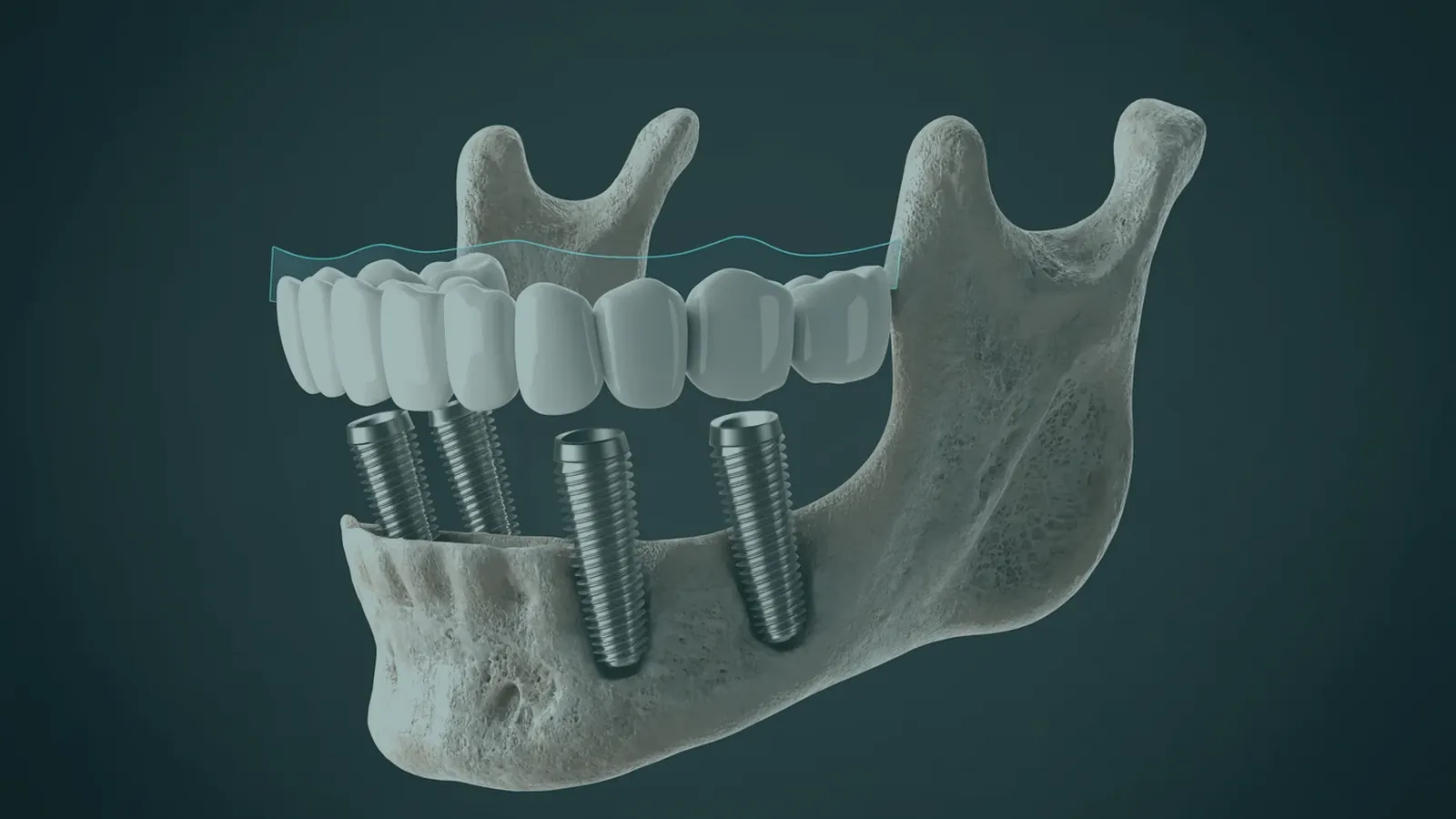
Both are ways of carrying a full fixed arch on a small number of implants. The four-implant version tilts the two rear fixtures, typically at around thirty degrees, so they engage bone that is further forward and denser — which is precisely how it avoids the sinus and often avoids grafting altogether. The six-implant version spreads the same load across two more supports.
When six is the right answer
- Where there is enough bone volume to place them without grafting, so the extra implants cost you fixtures rather than months
- Heavy bite forces, particularly in patients who grind
- A longer arch, where the cantilever behind the last implant would otherwise be doing too much work
- Where you want redundancy: with six, losing one is a repair; with four, losing one can mean the whole arch comes off
When four is the right answer
- Limited posterior bone, where six would mean a sinus lift and a six-month delay
- Cases where same-day fixed teeth matter — four is the protocol with the most evidence behind immediate loading
- Lower jaws, where bone is denser and four supports are frequently ample
What actually decides it
A CBCT scan showing bone height and density in each site, your bite, the shape of your arch, and whether you grind. That is the whole list. A clinic quoting you one or the other before it has a scan is quoting a price, not proposing a treatment.
The cost difference in context
Two extra fixtures and two extra abutments is a real difference, but it is a small fraction of a full-arch total — the prosthesis, the surgical time and the laboratory work dominate. If six is indicated, the extra is worth paying. If it is not indicated, you are paying for hardware that is doing nothing, and the honest clinic will tell you so.
The question to ask is not “which is better”. It is: “From my scan, which do you recommend, and what specifically about my bone makes you say that?” The answer should mention your anatomy. If it mentions the price list instead, ask somebody else.
What immediate loading actually means
Both protocols are usually described as “teeth in a day”, and both usually are — but the tooth you leave with is a provisional. Immediate loading means fitting a fixed temporary bridge onto the implants at the time of surgery, so you are never without teeth. It works because a rigid bridge splints the implants together and stops any one of them moving while bone grows onto it.
The requirement is primary stability: the implants must be tight in the bone at the moment they are placed. Where the surgeon cannot achieve it, immediate loading is not safe and the honest answer is a removable temporary for a few months. A clinic that promises fixed same-day teeth before seeing your scan is promising something it cannot yet know.
The prosthesis matters as much as the implants
The conversation is always about four implants or six. What you will actually live with is the bridge on top of them, and that choice has more effect on your daily experience.
| Prosthesis | Feel and appearance | Trade-off |
|---|---|---|
| Acrylic on a metal frame | Lighter, cheaper, easier to repair | Wears and stains over years; needs replacing |
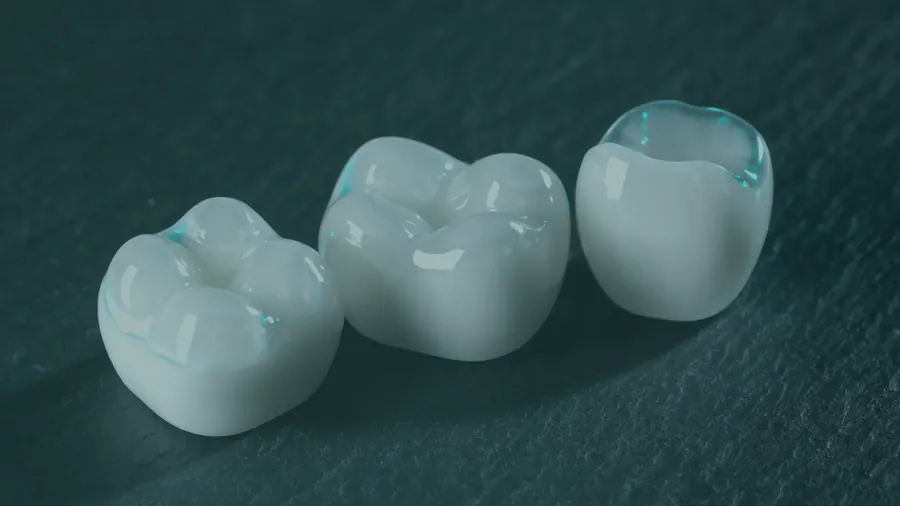
| Monolithic zirconia | Strongest, most stain-resistant, best long-term | Costs more; a fracture means a remake |
| Porcelain-layered zirconia | The most natural light behaviour | Layering can chip under heavy bite forces |
Many quotes bundle a provisional acrylic bridge and a definitive zirconia one. Some quote only the provisional and present the definitive as an upgrade. That single difference can change a full-arch price by thousands, and it is not visible unless you ask which prosthesis is included at each stage.
Cantilever, and why the back teeth are the argument
On four implants, the bridge extends behind the rearmost fixture — a cantilever. That overhang is doing unsupported work every time you chew on it, and the longer it is, the more leverage it applies to the implant in front. Well-designed four-implant arches keep it short, typically to one tooth per side. This is the technical reason six implants is preferred in some cases: the extra supports move the load forward and shorten the cantilever.
Living with a full arch
- Cleaning underneath is not optional. A full arch traps plaque against gum, and peri-implantitis around a full arch is a serious, expensive problem.
- Expect an adjustment period of weeks for speech and eating, not days.
- The bite gets refined over more than one appointment; that is normal, not a fault.
- Plan for maintenance visits. Screws are checked and retorqued periodically for the life of the prosthesis.