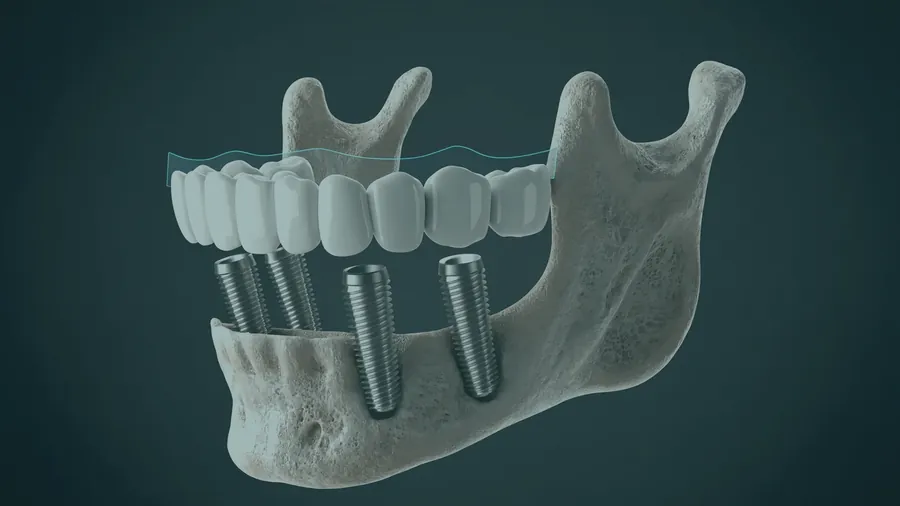
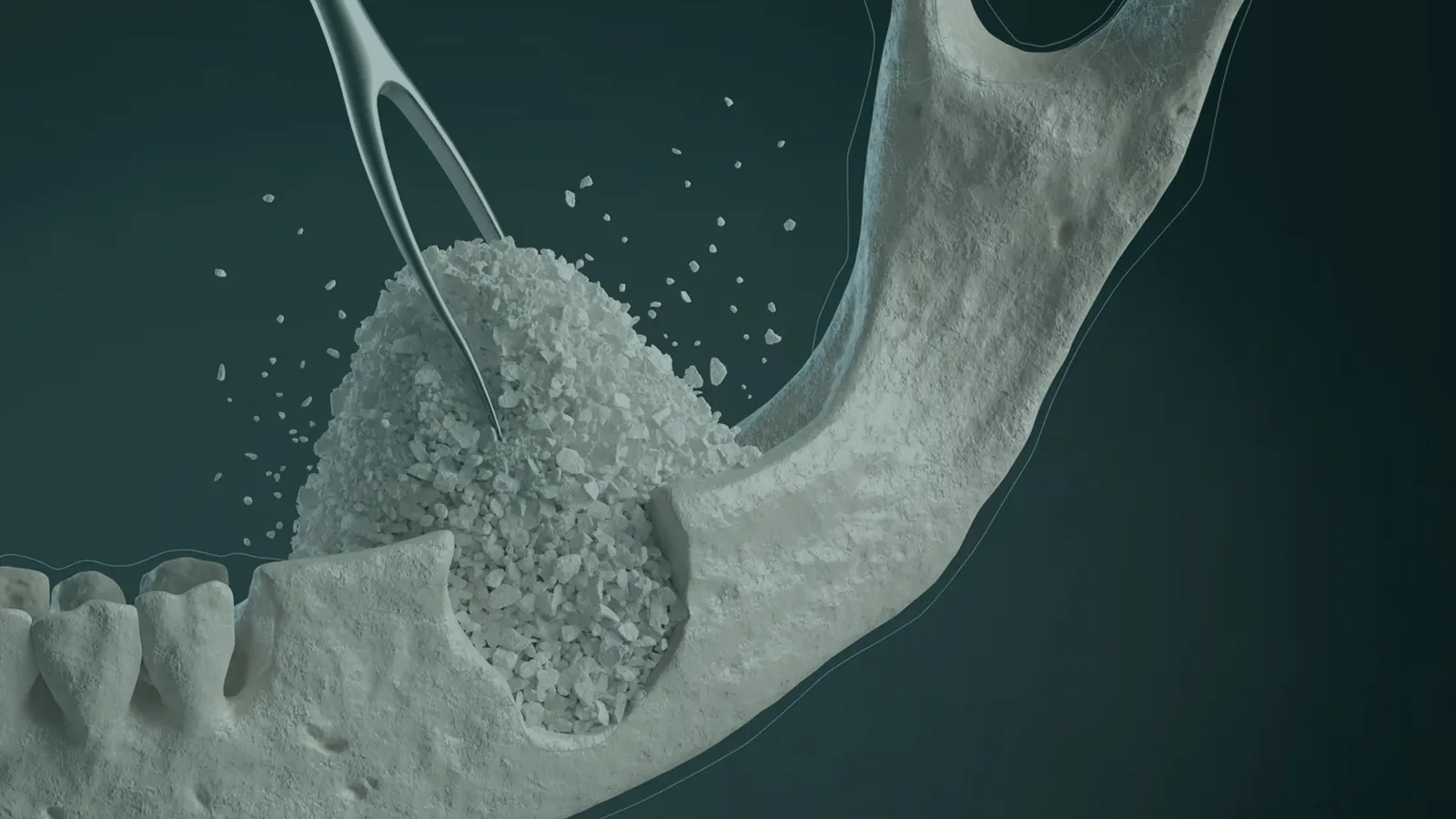
An implant needs bone to hold it. When a tooth has been missing for a while, the bone that used to support it resorbs — it is no longer being loaded, so the body reclaims it. In the upper back jaw the sinus also expands downward into the space. Both leave less height than an implant requires.
How it is decided
By a CBCT scan and nothing else. The scan measures the height and width of bone at each planned site in three dimensions. A panoramic X-ray is not enough, and photographs are not remotely enough. This is the single strongest reason not to accept a fixed implant quote from a clinic that has not scanned you.
The options, roughly in order of size
| Procedure | What it is | Effect on timeline |
|---|---|---|
| Socket preservation | Graft placed at the time of extraction to limit resorption | Usually none — it prevents the problem |
| Guided bone regeneration | Graft material and a membrane to rebuild width or height | 4–9 months before implants |
| Sinus lift (crestal) | Membrane raised a small amount through the implant site | Often same visit as the implant |
| Sinus lift (lateral window) | Larger lift through a side window, for greater height | 4–9 months before implants |
| Zygomatic implants | Anchored in the cheekbone, avoiding grafting entirely | Avoids the wait; a bigger procedure |
What it means for your trip
The important consequence is not cost, it is time. A lateral window sinus lift means one trip for the graft, several months of healing, and a separate trip for the implants — so a treatment you imagined as two visits becomes three, spread over a year or more.
Crestal lifts and socket preservation frequently add no time at all. That is why the scan matters: the difference between “no delay” and “nine months” is a measurement.
Can it be avoided?
Sometimes. Shorter or narrower implants can work where height is limited. Tilted implants, as in the All-on-4 protocol, are specifically designed to engage bone in front of the sinus and often avoid grafting for a full arch. Zygomatic implants avoid it in severe cases. Which of those is appropriate is a judgement from your scan, and if a clinic offers you one without having looked at it, that is a sales answer.
The question to ask before you pay a deposit
“Based on my CBCT, will I need grafting — and if the answer changes on the day, what will it cost and how will it change my dates?” Get it in writing. A clinic that answers precisely has planned your case. A clinic that says it will be fine has not looked.