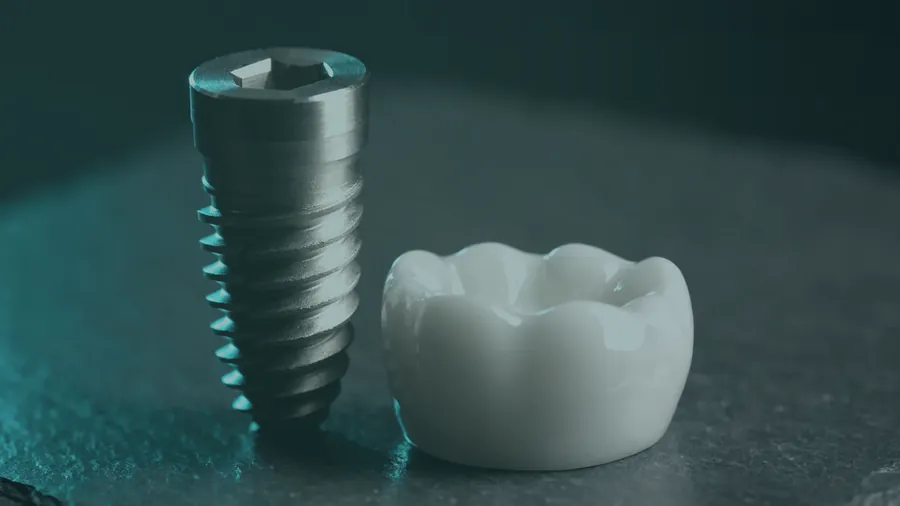
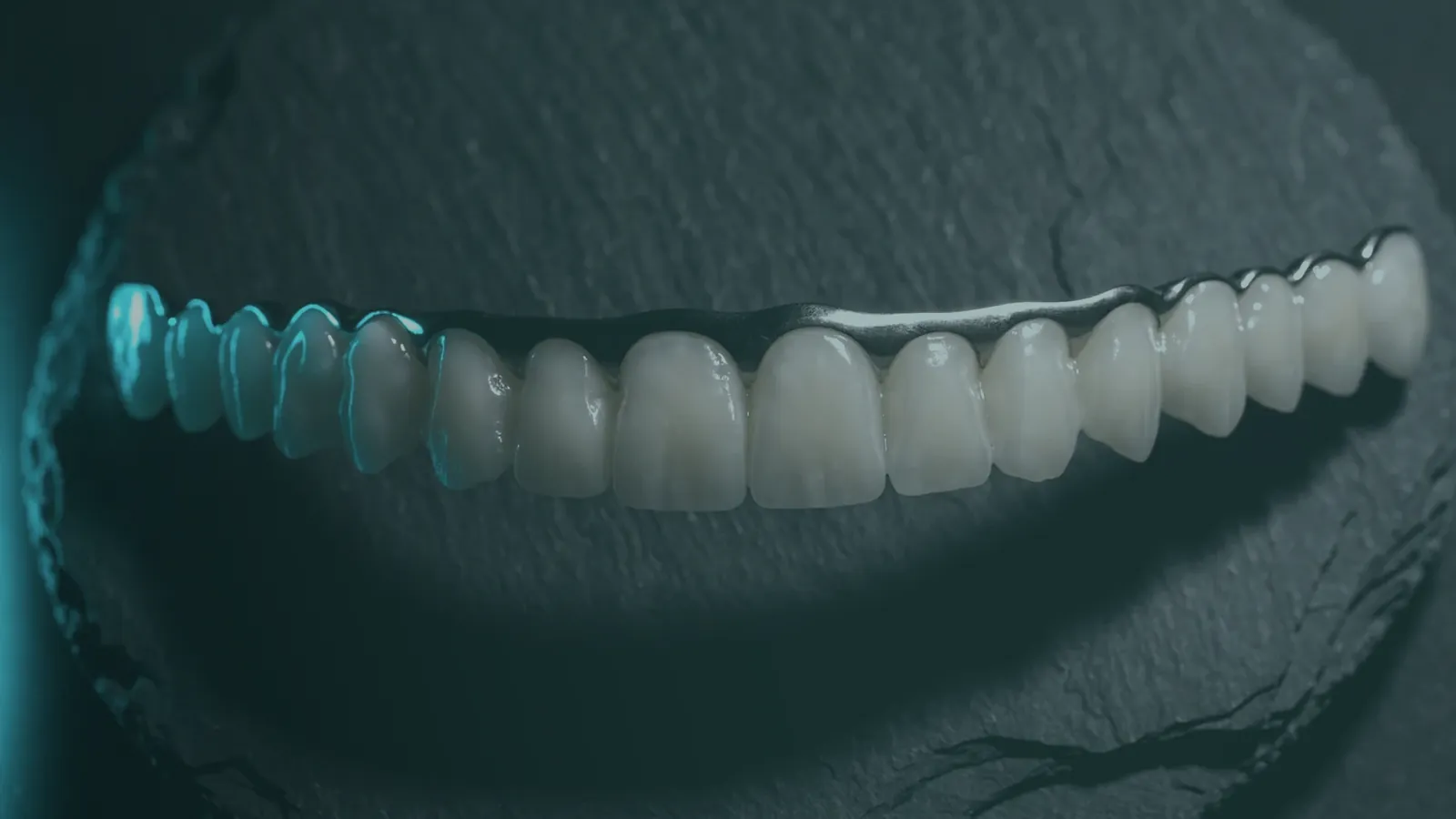
The good news is that a well-placed implant in a well-maintained mouth has a very high long-term survival rate. The bad news is that “well-maintained” does a lot of work in that sentence, and the failure mode is one most people have never heard of.
Peri-implantitis, which is the thing to know about
Titanium cannot decay. What can happen is inflammation of the gum and bone around the implant — peri-implantitis — driven by plaque at the margin, exactly like gum disease around a natural tooth. It is usually painless until it is advanced, and by then the bone that has been lost does not come back.
The routine
- Brush twice daily, with attention to the margin where crown meets gum
- Clean between them every day — interdental brushes sized by your hygienist, not guessed at
- A water flosser is a useful addition around bridges and full arches; it is not a replacement for brushing
- Professional cleaning every six months, with instruments appropriate for implants
- X-rays periodically, to check bone levels against the baseline from placement
The four things that shorten an implant’s life
- Smoking. It is the single largest modifiable risk factor, and the effect is large.
- Uncontrolled diabetes, which impairs the healing the implant depends on.
- Grinding, which loads the fixture in ways it was not designed for. If you grind, wear the guard.
- Skipping hygiene appointments, because peri-implantitis is silent and only found by looking.
What to bring home from Istanbul
Ask for all of it before you leave: the implant passport naming the fixture brand, model and size; your post-placement X-rays; the treatment record; and the warranty document. Any dentist anywhere in the world can help you far more easily with those in hand — and without them, a component that needs replacing in twelve years becomes a much harder problem.
Find a dentist at home before you need one
Arrange a check-up with a local dentist within a few months of finishing treatment, while everything is fine. It establishes a baseline with somebody who can see you at short notice, and it means the first time they meet your implants is not the day something has gone wrong.