
Every clinic gallery is two photographs. The distance between them is months, and most of those months look nothing like either picture. Knowing the shape of it in advance is the difference between a normal recovery and a frightening one.
A hair transplant, month by month
| When | What it actually looks like |
|---|---|
| Days 1–5 | Scabbed, swollen, obviously operated on |
| Days 10–14 | Crusts gone; short transplanted hairs visible |
| Weeks 2–6 | Shedding. It looks as it did before the procedure. This is normal. |
| Months 3–4 | First new growth — fine, sparse, often lighter |
| Months 6–9 | Real density; texture beginning to normalise |
| Months 12–18 | The result. This is the photograph in the gallery. |
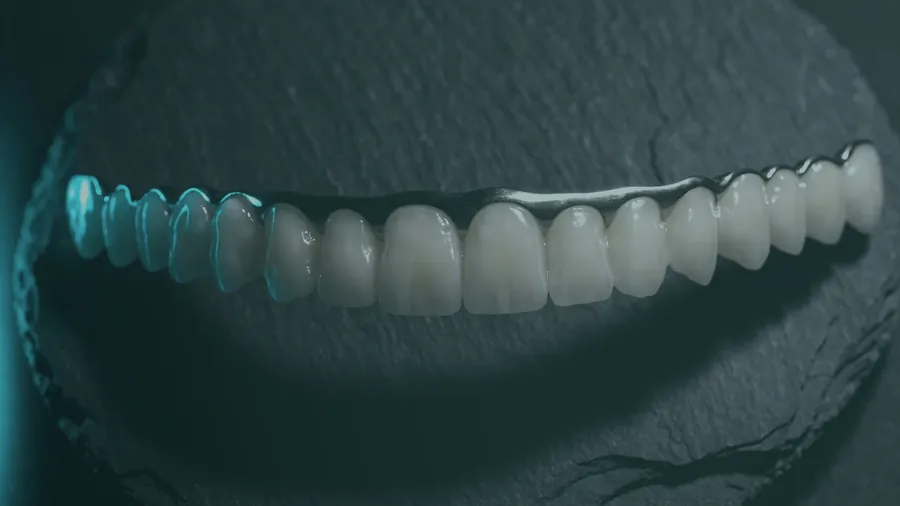
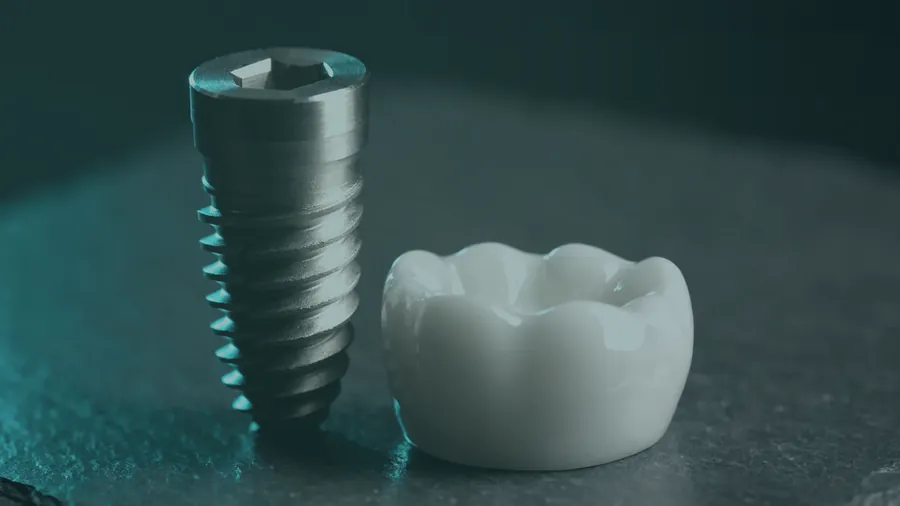
A full-arch implant case
| When | What is happening |
|---|---|
| Day of surgery | Fixed temporary teeth fitted the same day in most protocols |
| Weeks 1–2 | Swelling and bruising resolve; soft diet throughout |
| Months 2–4 | Integration. Nothing visible changes; this is the part that cannot be rushed. |
| Second trip | Definitive prosthesis fitted after tissues have settled |
| Months 6–12 | Bite refined; you stop noticing them |
Crowns and veneers
Much shorter, and the thing to expect is different: sensitivity for a week or two, and a settling-in period where the bite gets adjusted. If a new crown feels high, it needs adjusting — it will not wear in, and leaving it stresses the tooth beneath.
How to read a gallery honestly
- Look for dates on both photographs, and check the gap is at least twelve months for hair
- Look for the same lighting and the same angle. Different lighting is the oldest trick there is.
- Look for wet hair in the “before” and dry styled hair in the “after”
- Ask for a case like yours — same starting point, same age, same hair type
- Ask whether the photographs are the clinic’s own patients. Frequently they are not.
Set the expectation properly
A transplant redistributes a finite supply of hair; it does not create more. A full arch restores function and appearance; it is not the dentition you had at twenty. Clinics that promise otherwise get the deposit and then spend a year managing a disappointed patient. The ones worth travelling to tell you what is achievable at the assessment, in writing, before you book anything.